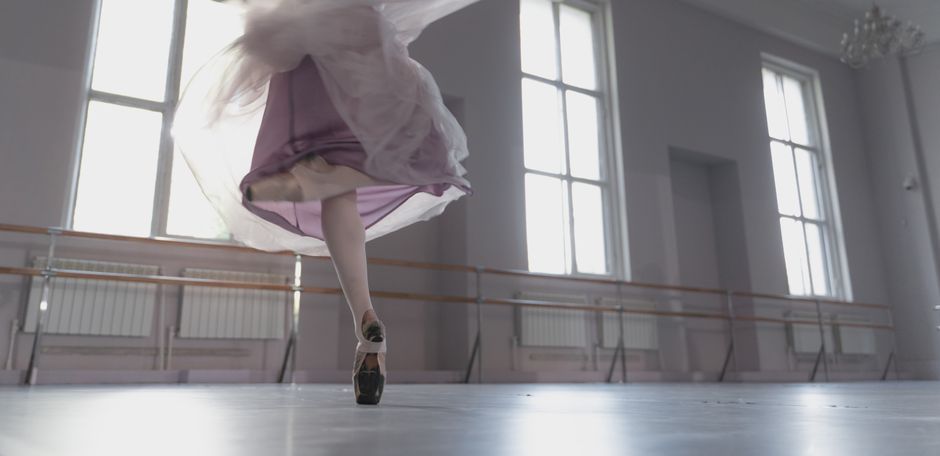
Pirouettes are a defining element of classical ballet, requiring the dancer to combine strength, control, and coordination in a single, elegant motion. For intermediate students, the path to cleaner turns often lies not in attempting more rotations, but in refining the foundational components that support each turn. Balance, spotting, and turnout are among the most critical elements, and each can be developed through focused, methodical practice.
This article presents five exercises that target these components individually and in combination. By approaching each exercise with attention to alignment and intention, dancers can build the habits that contribute to more stable and consistent pirouettes. The exercises described here are designed for intermediate-level students who already understand basic turn mechanics and wish to deepen their control.
Controlled Relevé with Emphasis on Alignment
A strong, steady relevé forms the base of any pirouette. This exercise isolates the rise to demi-pointe or full pointe, focusing on even weight distribution and vertical alignment. Begin in first or fifth position facing a barre or wall for light support. Slowly press through the floor to rise to a high relevé, keeping the heels lifted and the ankles stable. The core should engage gently to prevent the pelvis from shifting.
Hold the raised position for several breaths before lowering with control. Repeat on each side. Over time, the duration in relevé can be extended. This practice helps the dancer become aware of subtle imbalances in the supporting foot and ankle. It also builds the calf and intrinsic foot strength needed to maintain a stable platform during a turn. When performing this exercise, it is important to avoid gripping the floor with the toes or leaning the upper body forward.
Retiré Balance at the Barre
The retiré position (with the working foot placed at the supporting knee) is the classical shape of a pirouette. This exercise develops the strength and alignment required to hold that shape without compromising the supporting leg. Stand facing the barre with the hand lightly resting on it. Lift the working leg into a retiré, ensuring the toes of the working foot are gently placed—not pressed—at the knee. The supporting leg should remain straight and turned out from the hip.
Focus on keeping the shoulders level and the hips square. Breathe calmly and hold the position for several counts. To increase the challenge, release the barre for a few seconds at a time while maintaining the shape. This exercise also reinforces the concept of opposition: the sensation of pulling the working knee back while keeping the supporting side lifted. The ability to hold retiré with ease is associated with greater control during multiple turns.
Spotting Practice with Half and Full Turns
Spotting—the rapid head movement that keeps the eyes focused on one point while the body rotates—is often a source of dizziness and disorientation for intermediate dancers. This exercise breaks spotting into smaller, manageable steps. Begin standing in first position facing the front. Choose a point at eye level. Initiate a slow turn to the right, keeping the head fixed on the spot as long as possible. At the moment the head can no longer stay, whip it around to find the spot again before the shoulders complete the rotation.
Practice this with half turns (180 degrees) first, then full turns. The pace should be slow enough to feel the sequence of head, shoulders, and body. Another variation is to practice spotting while walking in a circle, then gradually adding a relevé. By repeating these drills, the dancer’s vestibular system can adapt to the motion, which may lead to less dizziness over time. It is worth noting that spotting effectiveness also depends on the alignment of the spine; a twisted or tilted neck can interfere with the head’s movement.
Turnout Conditioning from the Floor
Turnout that is active and controlled—not forced from the feet—is essential for maintaining the correct position in a pirouette. This exercise works the deep external rotators of the hip while lying on the floor, where alignment is easier to monitor. Lie on the back with legs extended and turned out from the hips. Place hands on the floor by the sides for stability. Slowly draw one knee toward the chest, keeping the knee turned out and the foot pointed. Then extend the leg upward toward the ceiling, maintaining the outward rotation.
Lower the leg back to the starting position with control. Repeat on each side for 8 to 12 repetitions. The focus should be on initiating the movement from the hip rotators rather than the lower leg. An alternative is to perform a clamshell exercise while lying on the side, opening the knees while keeping feet together. Strengthening the rotators—such as the piriformis and gemelli—can contribute to a more stable and enduring turn-out en l’air, which is the outward rotation of the working leg during the turn.
Integrated Combination: Single Turn with Intent
Once the individual components have been practiced, the final exercise brings them together in a controlled, single turn. Stand in fourth or fifth position with the arms in preparatory position. Prepare by breathing and aligning the spine. Initiate a single pirouette by pressing into the floor, pulling up through the core, and using the arms for momentum. The spot should be held as long as possible. The goal here is not the number of rotations, but the quality of the shape throughout the turn.
After landing, hold the final position—relevé with arms in fifth or first—for two seconds before closing. This exercise encourages the dancer to attend to each element: the stability of the supporting leg, the placement of the working foot, the clarity of the spot, and the maintenance of turnout. If an element feels weak, it may be helpful to return to the corresponding isolated exercise before attempting the combination again. Over repeated practice, these exercises may help the dancer develop a more consistent pirouette technique, though individual results depend on many factors including anatomy, training history, and consistent practice.