Exploring Contemporary Dance: How to Connect Movement with Emotion
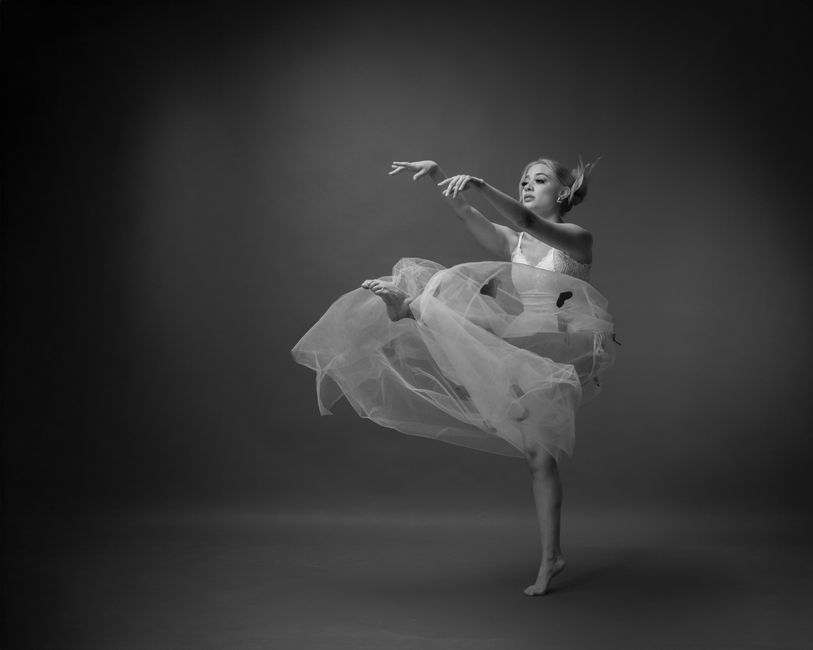
Contemporary dance offers a distinctive approach to artistic expression, one that prioritizes the internal experience of the dancer as much as the external shape of the movement. For dancers who are beginning to explore choreographic work, one of the most meaningful challenges involves translating an emotional impulse into a physical vocabulary. This process is not about mimicking feelings through facial expressions or theatrical gestures. Instead, it relies on a deep understanding of how the body naturally responds to emotion through breath, weight, and flow.
Many practitioners find that when movement originates from a genuine internal state, the audience perceives a sense of authenticity that technical precision alone cannot create. This article examines how contemporary dancers can develop a stronger connection between their emotional intentions and their physical choices. The focus is on practical methods and conceptual frameworks that can be explored during rehearsal, improvisation, or personal practice. Each section addresses a specific element of movement that dancers can observe, refine, and integrate into their own work.
It is important to recognize that expressivity in dance is highly individual. What resonates with one dancer may not work for another, and the meaning of a movement phrase often evolves with repeated practice. The approaches described here are offered as starting points for investigation rather than fixed formulas. With consistent attention and curiosity, dancers can gradually expand their range of emotional expression through movement.
The Role of Breath in Movement Dynamics
Breath is one of the most accessible and powerful tools for connecting movement with emotion. In everyday life, breathing patterns shift with mood—short, shallow breaths during anxiety; deep, slow breaths during calm. Contemporary dance often draws on this natural connection by using breath to initiate, sustain, or release movement. When a dancer allows the breath to lead the motion, the resulting phrasing tends to feel more organic and less mechanical.
A common exploration involves beginning a phrase with an exhale. The weight of the body drops slightly, the spine softens, and the resulting movement carries a sense of release. Conversely, an inhalation can create lift, expansion, or suspension. Dancers may experiment with coordinating specific emotional qualities to these breath patterns. For example, a feeling of grief might be approached through a slow, controlled exhale that continues until the body is fully folded, while a sense of anticipation could involve a quick inhalation followed by a pause. These are not prescriptions but possibilities that each dancer can adapt to their own experience.
It can also be useful to observe breath during improvisation. By focusing only on the rhythm of breathing and allowing the limbs to follow without conscious direction, dancers often discover unexpected shapes and sequences. Over time, this practice helps build a habitual link between breath and movement, making it easier to access emotional states during choreographed material. Breath work in dance is closely related to somatic practices, and many contemporary training methods incorporate it as a foundational principle.
Exploring Weight and Gravity as Expressive Tools
Weight is another fundamental element that carries emotional resonance. In contemporary dance, the use of weight refers to how a dancer engages with gravity—whether they resist it, surrender to it, or play with its pull. Each relationship to gravity can evoke a different emotional tone. A movement that relies on heavy, released weight might communicate exhaustion, sadness, or vulnerability, while a movement that actively pushes against gravity can express determination, anger, or joy.
Dancers can explore weight through simple exercises such as standing and gradually letting the head, shoulders, and torso fall forward while maintaining control. The sensation of falling, even in a small range, often triggers an emotional response. By repeating this motion and paying attention to the feelings that arise, dancers begin to associate certain weight qualities with particular emotional states. It is crucial to note that the same physical action may produce different feelings in different individuals; the goal is self-awareness rather than a universal mapping.
Working with a partner can also deepen this exploration. For instance, one dancer supports another as they allow their full weight to be held, then gradually take it back. This trust exercise can reveal tensions or fears related to letting go, which in turn can be translated into movement material. The key is to approach weight as a source of information rather than a technical challenge. When dancers learn to modulate their weight consciously, they gain a broader palette for emotional expression in their choreography.
Developing Flow and Continuity in Phrasing
Flow refers to the quality of movement in terms of its continuity and control. In Laban Movement Analysis, flow is described along a spectrum from bound to free. Bound flow involves tension, control, and the ability to stop suddenly, while free flow is more fluid, continuous, and difficult to interrupt. Both ends of the spectrum can be used to express different emotional states. Bound flow might correspond to anxiety, restraint, or concentration, whereas free flow may relate to openness, release, or abandonment.
Dancers can experiment with flow by improvising within a single quality for an extended period, observing how the emotional tone shifts. For example, moving entirely in free flow for several minutes often leads to a sense of liberation, while moving in bound flow may generate feelings of tension or introspection. These experiences can then inform choreographic decisions. If a phrase is intended to convey inner conflict, the dancer might alternate between bound and free flow, creating a sense of struggle between control and release.
Another approach involves working with the concept of phrasing. A movement phrase is a sequence with a beginning, middle, and end. The flow within a phrase—how energy builds, peaks, and dissipates—can mirror emotional arcs. Dancers can practice shaping phrases by modulating flow, using breath and weight as additional layers. Over time, this practice helps build a repertoire of expressive tools that can be drawn upon during composition. The emphasis remains on exploration rather than achieving a predetermined effect.
Translating Emotional States into Choreographic Choices
The process of translating an emotion into a specific movement involves several layers of decision-making. First, the dancer identifies the emotional quality they wish to explore—this could be something as specific as nostalgia or as broad as joy. Then, they consider which movement elements might correspond to that quality. For instance, sadness might involve slow tempo, heavy weight, bound flow, and a downward spatial orientation. However, these correlations are not fixed; a dancer may find that their own experience of sadness manifests as sharp, sudden gestures or an expansive, retreating shape.
Improvisation becomes a practical tool for this translation. The dancer can set a simple intention, such as “move with a sense of nostalgia,” and allow the body to respond without judgment. Recording these improvisations, either through video or notation, provides material to refine later. It is often helpful to repeat the same intention multiple times, noticing which movements feel most aligned. The dancer can then select, repeat, and develop these fragments into longer phrases.
It is also valuable to consider the context of the movement within a larger piece. A gesture that reads as angry in one sequence might read as determined in another, depending on the surrounding dynamics. Dancers working in groups can use mirroring, counterpoint, or unison to amplify or contrast emotional tones. The goal is not to create a literal representation of an emotion but to evoke a quality that resonates with the dancer and, potentially, with the audience. Regular practice of this translation process helps dancers develop a personal choreographic vocabulary that feels authentic and connected.
Practical Exercises for Emotional Connection
Several structured exercises can help dancers integrate the concepts discussed above. One exercise involves choosing a single emotion and creating a short movement phrase using only breath as the starting point. The dancer begins by breathing in a way that matches the chosen emotion—short and sharp for frustration, for example—and then allows the body to respond. The phrase is repeated several times, each time refining the connection between breath and motion.
Another exercise focuses on weight and gravity. Dancers lie on the floor and explore rolling, sliding, and pressing into the ground while maintaining awareness of the emotional quality they want to express. Floor work often reduces the fear of falling and encourages a deeper relationship with weight. After a few minutes, they rise and attempt to bring that same quality into standing and traveling movements. This transfer helps reinforce the link between an emotional state and the physical sensations of weight and support.
A third exercise uses flow and phrasing. Dancers choose two contrasting emotional states and improvise a movement phrase that moves from one to the other. They pay close attention to the transition: how breath, weight, and flow change at the turning point. This exercise builds awareness of how emotional shifts can be made visible through movement dynamics. Over several sessions, dancers can generate a collection of short phrases that serve as a resource for future choreography.
It is recommended that dancers approach these exercises with a spirit of curiosity rather than evaluation. The goal is not to produce a performance-ready phrase immediately but to deepen the habitual connection between inner experience and outer expression. With regular practice, these explorations can become an integral part of a dancer’s creative process, offering a reliable pathway to emotionally resonant movement.