A Beginner’s Guide to Hip Hop Dance Moves
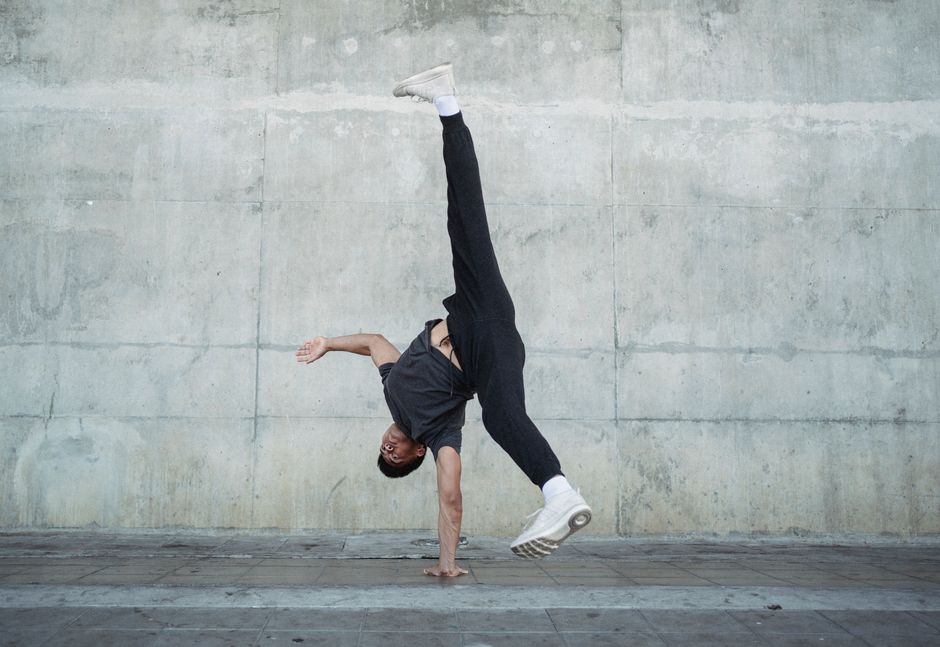
Hip hop dance is a vibrant and expressive style that has evolved from street culture into a worldwide phenomenon. For beginners, the idea of learning hip hop moves can feel intimidating, but the style is built on a few fundamental concepts that anyone can practice. Unlike some dance forms that emphasize strict technique, hip hop encourages personal expression and rhythm. The most essential starting point is developing a sense of groove, which forms the foundation for all other movements.
This guide focuses on three core areas: the groove, top rock, and beginner footwork patterns. Each of these elements can be practiced independently and combined over time. No prior dance experience is necessary, and the approach described here emphasizes gradual learning and comfortable progress. The goal is not to master complex choreography but to become familiar with the basic vocabulary of hip hop dance.
Before exploring specific moves, it helps to understand that hip hop dance is deeply connected to music. Listening to the beat, feeling the rhythm, and allowing the body to respond naturally are all part of the process. Many instructors, including those at Dance Core, begin classes by having students simply stand and feel the music before adding any structured steps.
The Foundation: Finding Your Groove
The groove is the heartbeat of hip hop dance. It is a continuous, rhythmic movement of the body that keeps the dancer connected to the music. For beginners, finding the groove usually starts with a simple bounce. Standing with feet shoulder-width apart, knees slightly bent, and letting the body pulse downward on each beat creates a basic bounce. This motion should feel relaxed, not stiff.
Once the bounce feels natural, other elements can be added. The head might nod, the shoulders might roll, or the arms might swing gently. The key is to let the movement travel through the whole body. Many beginners focus too much on the feet or arms, but the groove comes from the core. A useful exercise is to practice the bounce while listening to different tempos of hip hop music, allowing the body to adjust naturally.
Over time, the groove becomes more subtle and personalized. Some dancers prefer a deeper, slower bounce, while others use a quicker, lighter pulse. There is no single correct way. The purpose of the groove is to establish a rhythmic baseline from which other moves can emerge. Practicing the groove for a few minutes each day can build comfort and coordination.
Exploring Top Rock
Top rock refers to the upright, standing movements that often begin a hip hop dance sequence. These steps are performed while the dancer is on their feet, before moving to the floor for footwork or freezes. Top rock serves as both a warm-up and a way to introduce personal style. For beginners, learning two or three basic top rock steps provides a solid starting point.
The most common top rock step is the Indian step, sometimes called the two-step. It involves stepping one foot forward while the other foot taps or shifts weight, then repeating on the opposite side. The arms often move in opposition to the legs, creating a natural sway. Another foundational move is the cross step, where the feet cross in front of each other while the body maintains the groove. Practicing these steps slowly at first helps build muscle memory.
Top rock can be practiced in a small space and does not require much speed. The focus should be on maintaining the bounce and letting the arms move freely. As confidence grows, variations can be introduced, such as adding a turn or changing the direction of the steps. Top rock is not about complexity but about establishing a clear connection between the dancer and the rhythm.
Beginner Footwork Patterns
Footwork in hip hop dance typically refers to movements that involve the feet and lower body, often performed close to the ground or with quick directional changes. For beginners, footwork does not need to be fast or intricate. Simple patterns that shift weight from one foot to the other are effective building blocks. One of the most accessible patterns is the step-touch, where the dancer steps to the side and brings the other foot to meet it, all while maintaining the groove.
Another common pattern is the kick-step, where one foot kicks forward or to the side before stepping back. This move can be combined with a slight dip in the knees to add dynamics. The running man is a well-known footwork pattern that involves sliding one foot back while lifting the other knee, creating the illusion of running in place. While it may look challenging, breaking it down into individual weight shifts makes it manageable for a beginner.
Practicing footwork patterns at a slow tempo allows the dancer to focus on balance and coordination. As the patterns become more familiar, they can be linked together in short sequences. For example, a step-touch followed by a kick-step and then a simple turn creates a small combination. Footwork does not have to be elaborate to be effective; even simple patterns can look dynamic when performed with a solid groove.
Building a Practice Routine
Consistent practice is more valuable than long sessions. A beginner might start with ten to fifteen minutes per day, focusing on one element at a time. A possible routine could begin with a few minutes of groove practice, followed by exploring top rock steps, then moving to footwork patterns. Repeating the same sequence over several days helps the movements become more natural.
It can also be helpful to practice in front of a mirror or record short videos to observe the body’s alignment. This allows the dancer to notice areas where tension might be present, such as raised shoulders or locked knees. Hip hop dance benefits from a relaxed posture, so releasing unnecessary tension is an ongoing process. Many dancers find that listening to a variety of hip hop tracks keeps practice engaging and exposes them to different tempos and rhythms.
When combining moves, it is common for beginners to feel uncoordinated at first. This is a normal part of the learning process. Instead of trying to perfect a combination, focusing on maintaining the groove throughout all transitions can be more productive. The groove connects each move and prevents the dance from feeling disjointed. Over time, the transitions become smoother with repetition.
Common Questions and Next Steps
Beginners often wonder how long it takes to feel comfortable with hip hop dance. The answer depends on individual factors such as practice frequency, previous movement experience, and comfort with rhythm. Some people feel at ease after a few weeks, while others take several months. The pace of progress is less important than the willingness to continue exploring.
Another frequent question is whether formal classes are necessary. While learning from a qualified instructor can provide structured guidance, many dancers develop their skills through online tutorials and self-practice. The key is to maintain a curious and patient mindset. Hip hop dance is as much about personal expression as it is about technique, so finding one’s own style is part of the journey.
For those who wish to deepen their practice, exploring other foundational elements such as freezes or simple floorwork can add variety. However, beginners are encouraged to spend ample time with the groove, top rock, and basic footwork before moving on. These three components form the core of hip hop dance and provide a reliable foundation for future learning.